How to Send a Group Sympathy Card for a Bereaved Family in Ghana
To send a group sympathy card for a bereaved family in Ghana, choose a gentle design, collect short messages of comfort from everyone who wants to take part, and share one private link so the family receives all the notes together. Keep the words simple and sincere, and let the family open the card when they are ready, not on a set date.
Why a group card works after a loss
When someone dies, many people want to help but do not know what to say or do. A single card from a whole group of people shows the family that many hands are holding them up. It also saves them from reading dozens of separate cards at a time when they have little energy.
In Ghana, condolence is a community act. Family, church members, neighbours, classmates, workmates and business partners all tend to visit, call and send support. A group card brings all of those people into one place, including those who live abroad or cannot travel to the house.
Start the card quickly, but with care
The first days after a death are full of arrangements. Start the card early enough that people can add their notes before the family is overwhelmed by visitors, but do not rush anyone into writing. A short message from a colleague who did not know the deceased well is just as welcome as a long memory from a close friend.
Ask one trusted person to coordinate. This could be a close friend of the family, a church elder or someone from the workplace. Agree on the basic details: the full name of the bereaved person and the deceased, the relationship to the family, and whether the card will be opened at the funeral or later at home.
Choose a design that suits the mood
Medaase offers Ghana-inspired designs, so you can pick one that feels calm and respectful for a family in mourning. Simple, dignified patterns usually work better than bright celebration themes. Think about what the family would find comforting, and whether they would be moved by a design that reflects Ghanaian cultural symbols.
If you are unsure, ask the coordinator to check with a close family member. Some families prefer a plain card. Others appreciate something that reflects the person who has died.
What to write in a sympathy note
Keep messages short and specific. Families remember small, true details more than general phrases.
- Say that you are sorry for their loss, using the name of the person who died.
- Share one memory, such as a kindness they showed you or something they taught you.
- Offer a practical promise, such as bringing food, helping with arrangements or checking in next week.
- Pray or send blessings in the words that suit your faith, whether Christian, Muslim or traditional.
- Avoid asking questions about how the death happened, and avoid saying that they should be strong or that it was God's will in a way that may hurt.
A note that says, "We are thinking of you, and I will call on Saturday to bring jollof," is more useful to a grieving family than a long poem.
Sending the card in Ghana
Share the private link on WhatsApp to the group, and ask people to add their notes by a clear deadline. Remind them that only people with the link can read and sign the card, so the family's privacy is protected. You can also include people who are not in the group chat by forwarding the link to them directly.
Some people will want to contribute money as well as words. Friends in Ghana can add a MoMo gift to the card. Be clear about what the money is for, and let the family decide how to use it. Many families are facing funeral costs, so a small contribution given with love can help more than people expect.
When the family opens the card
Do not assume the family will read the card on the day it is sent. They may be busy with the funeral, travelling or caring for relatives. Let the coordinator tell the family the card is ready and share the link when they are able to look at it. Some families choose to read messages privately, while others like to read them together.
If you are attending the funeral, you can still add your note to the card before or after the service. Bring the link with you on your phone, or ask the coordinator to add your message for you.
Keep the support going
A sympathy card is a start, not the end. The weeks and months after a funeral are often harder than the days around it, when visitors have gone home and the family is left with the loss. Use the card as a reminder to check in, bring food, help with children, or simply call. The notes in the card tell the family that people remember their loved one and will still be there.
If you want to start a card for a family in mourning, you can begin one on Medaase and share it with the people who knew the person best. Thank you for taking the time to help a family through a hard season.
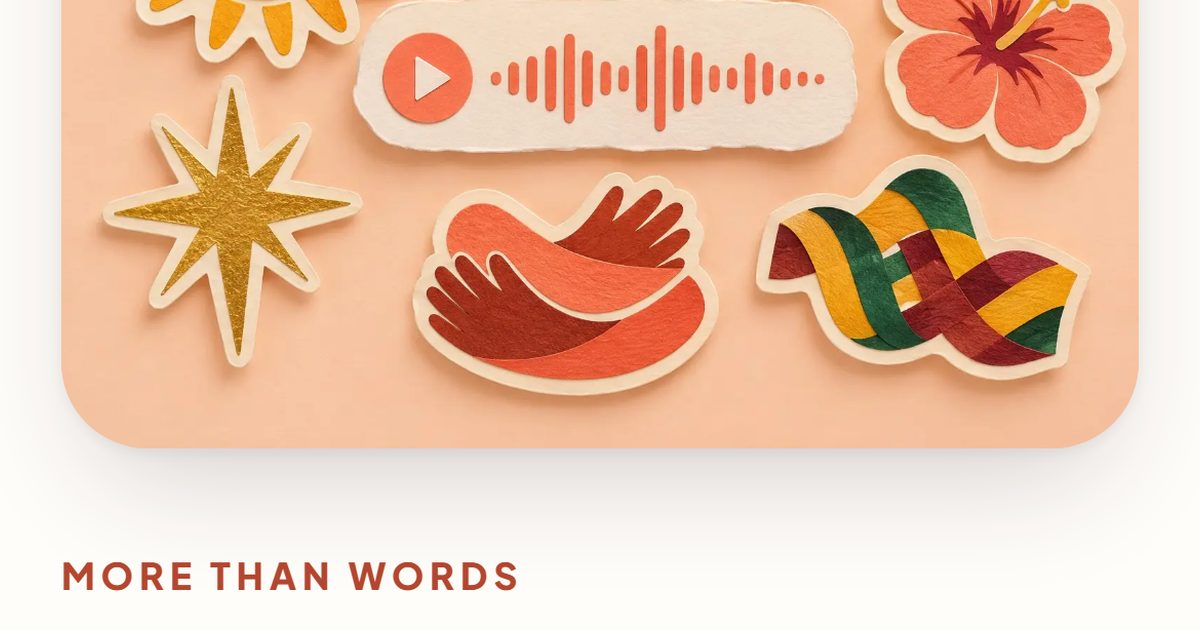
One card from everyone: notes, photos and voice notes, opened on the day.
Start a card