How to Send a Group Thank-You Card to Someone in Ghana
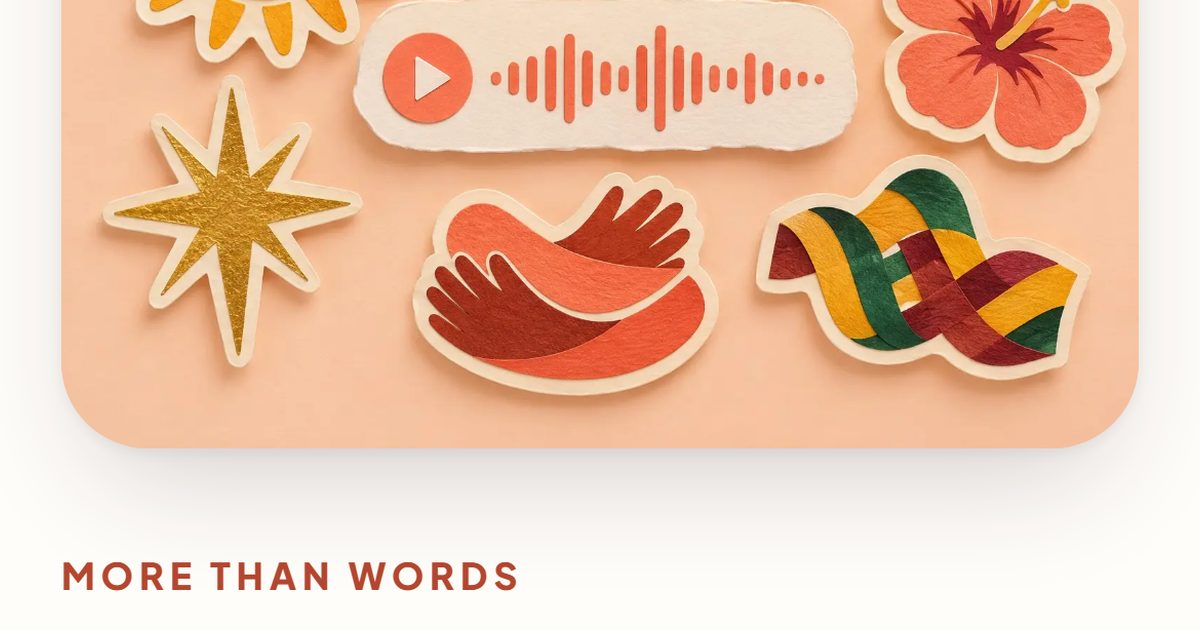
To send a group thank-you card in Ghana, one person starts a shared card, picks a design that suits the thanks, and shares a single private link on WhatsApp. Everyone adds a short note, a photo or a voice note, and the card is opened together on the day you give the thanks.
Why a group card works for thank-yous
A thank-you often comes from many people who were helped in different ways. A teacher may have supported a whole class, a church leader may have helped several families, or a neighbour may have carried food and chairs for a funeral. One card from everyone says that clearly, and it saves the person being thanked from reading a stack of separate messages.
Step 1: Decide who the thanks is for
Be clear about the reason before you start. Is it a thank-you for a wedding, a funeral, a school year, a clinic visit, a job well done, or simply years of kindness? A clear reason makes it easier for friends to write something useful.
Also decide who will receive the card and when. A card that is opened on the day, in front of family or colleagues, feels more personal than one sent through a group chat.
Step 2: Start the card and choose a design
You can start a card on Medaase in a few minutes. Choose one of the six Ghana designs:
- Kente Celebration suits big occasions and public thanks.
- Black Star Pride suits a thank-you to a coach, a team leader or someone who served the community.
- Talking Drums suits a lively thank-you with lots of voices and photos.
- Sunset Accra suits a warm, relaxed thank-you to a friend or neighbour.
- Krobo Beads suits a thank-you to a mother, aunt or elder who has done so much for the family.
- Adinkra Gold suits a formal, respectful thank-you to a pastor, teacher, nurse or employer.
Write a short title that names the reason, for example "Thank you, Auntie Akua, for everything this year". Keep it simple and clear.
Step 3: Share one private link on WhatsApp
Once the card is ready, share the link in your family or work WhatsApp group. Only people with the link can read and sign the card, so it stays between the people you invite. Do not post the link on public pages or social media if you want the card to stay private.
Send a short message with the link and a deadline. For example: "Please add your thank-you note by Friday evening. We will open the card on Saturday after the service." A clear deadline helps people act before the card is closed.
Step 4: Ask for specific notes
Generic notes such as "Thanks for everything" are kind, but specific notes mean more. Ask friends to write one thing the person did that they remember.
Helpful prompts for contributors
- What did this person do for you, your family or your community?
- When did you first notice their kindness?
- What would you like to say to them in front of others?
- Would a photo or a short voice note say it better?
Voice notes work well for older relatives who prefer speaking. Photos of past events, such as a funeral service, a school prize-giving or a family gathering, help the card feel rooted in shared memories.
Step 5: Add a MoMo gift if you want to
Friends in Ghana can add a MoMo gift to the card. This is useful when a group wants to show appreciation in a practical way, such as helping with a school fee, a transport cost or a small celebration. Agree on the purpose before you invite gifts, so everyone knows what the money is for and the person being thanked is not put under pressure.
Step 6: Choose the right day to open the card
Open the card on the day that matters most to the person. Good options include:
- The end of a church service or family gathering
- A farewell lunch or a staff meeting
- The day a school term ends or a project is completed
- A quiet family evening, if the thanks is personal
Ask one person to print or screen-share the card if the room has no phone signal. Make sure the card opens in a browser on a phone, so everyone can read it on the day.
Common Ghana situations
- A teacher or lecturer: Ask past students, parents and colleagues to join. Keep the notes respectful and short.
- A church or community leader: Invite members who were helped in different ways. Adinkra Gold or Kente Celebration often suit this.
- A nurse or health worker: Ask patients' families to add a note, with the permission of the person being thanked.
- A neighbour who helped during a hard time: Keep the card warm and simple. Sunset Accra or Krobo Beads can feel gentle and personal.
- A boss or team lead: Ask colleagues to write what the person has taught them or how they supported the team.
Keep it kind and private
Before you share the link, check that the thanks is welcome and that the person will not be embarrassed. Some people prefer a quiet thank-you, while others enjoy a public moment. Let the person's character guide the tone.
A group thank-you card is a simple way to say that many people noticed what someone did. Medaase means thank you in Twi, and a card that brings many voices together can make that word feel real.
One card from everyone: notes, photos and voice notes, opened on the day.
Start a card